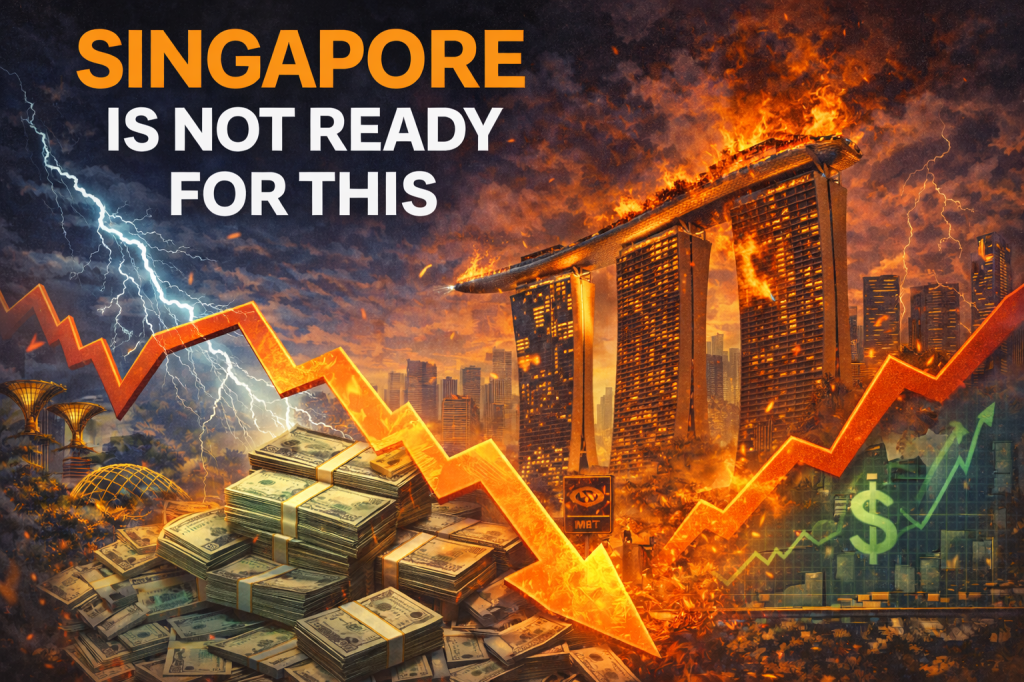
For decades, Singapore sold a simple formula for success.
Study hard.
Get a stable job.
Buy a flat.
Climb steadily.
Don’t take unnecessary risks.
For a long time, it worked.
But here’s the uncomfortable truth most people don’t want to admit:
The “safe path” hasn’t disappeared – it’s just becoming riskier than people realise.
And 2026 is going to expose that.
The Safe Path Was Built for a Different Era
The Singapore system was designed during a time when:
- careers were long and predictable
- promotions were linear
- competition was local
- technology moved slowly
If you were disciplined and patient, you were rewarded.
Today, that environment no longer exists.
Jobs change faster.
Skills expire quicker.
Competition is global.
AI is compressing average performers.
Yet many people are still using old rules for a new game.
Stability Is No Longer the Same as Security
A stable job used to mean security.
Today, stability often just means:
- fixed income
- fixed responsibilities
- fixed lifestyle costs
Which sounds fine… until something shifts.
When income is predictable but flexibility is low, even small shocks feel dangerous:
- company restructuring
- role redundancy
- industry slowdown
- health or family obligations
The risk isn’t losing everything overnight.
The risk is having no room to move.
The Silent Risk Nobody Talks About
The most dangerous risk in Singapore isn’t failure.
It’s becoming average in a system that no longer rewards it.
Many people are doing everything “right”:
- saving diligently
- investing conservatively
- avoiding obvious mistakes
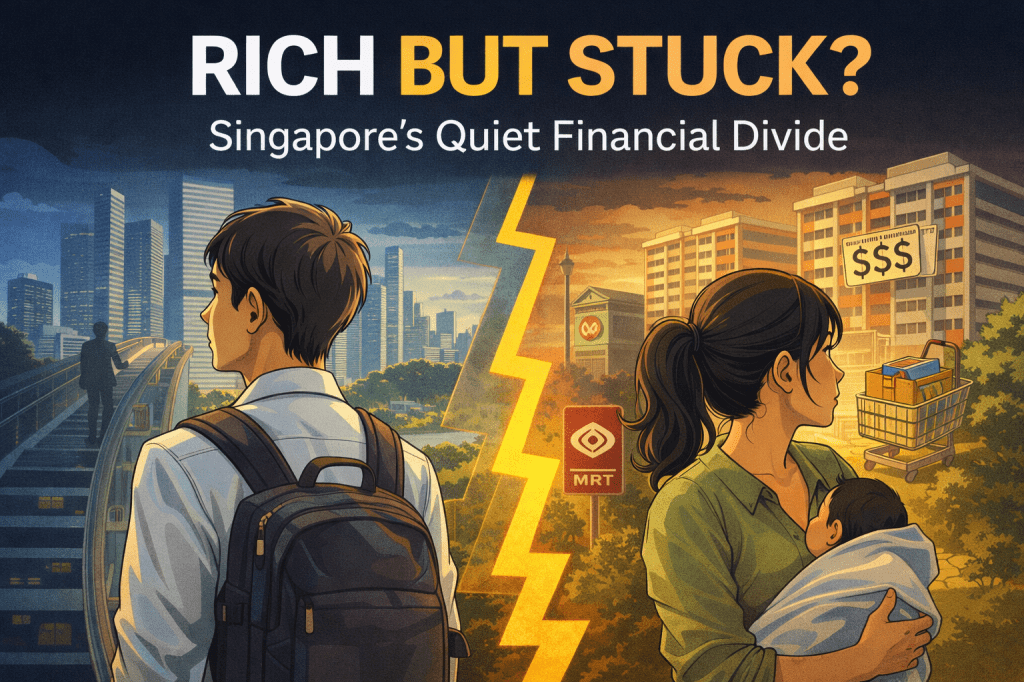
Yet they feel stuck.
That’s because the safe path optimises for survival, not optionality.
And optionality is what matters now.
Why 2026 Will Be a Turning Point
The next phase of Singapore’s economy won’t punish recklessness.
It will quietly expose:
- people with no leverage
- people whose skills stopped compounding
- people whose lifestyle depends entirely on steady income
The winners won’t be the loudest or riskiest.
They’ll be the ones who:
- built skills quietly
- kept expenses intentionally low
- created flexibility before they needed it
From the outside, they’ll look “normal”.
Underneath, they’ll have options.
This Isn’t a Call to Abandon Responsibility
Let’s be clear.
The safe path still works – if you start early and play it exceptionally well.
But for many people, blindly following it without adaptation is now the bigger risk.
This isn’t about quitting your job or gambling your future.
It’s about recognising that:
- security now comes from adaptability
- income alone isn’t protection
- discipline without leverage has limits
A Better Question to Ask Yourself
Instead of asking:
“Am I doing the right thing?”
Ask:
“If something changes in the next two years, how much freedom do I actually have?”
That answer matters more than your job title.
Final Thought
Singapore rewards responsibility.
But the future will reward prepared flexibility.
The riskiest move in 2026 might not be trying something new.
It might be assuming the old path will protect you forever.
If this made you uncomfortable — good.
It means you’re thinking ahead.



 The Merlion Baller
Leave a comment